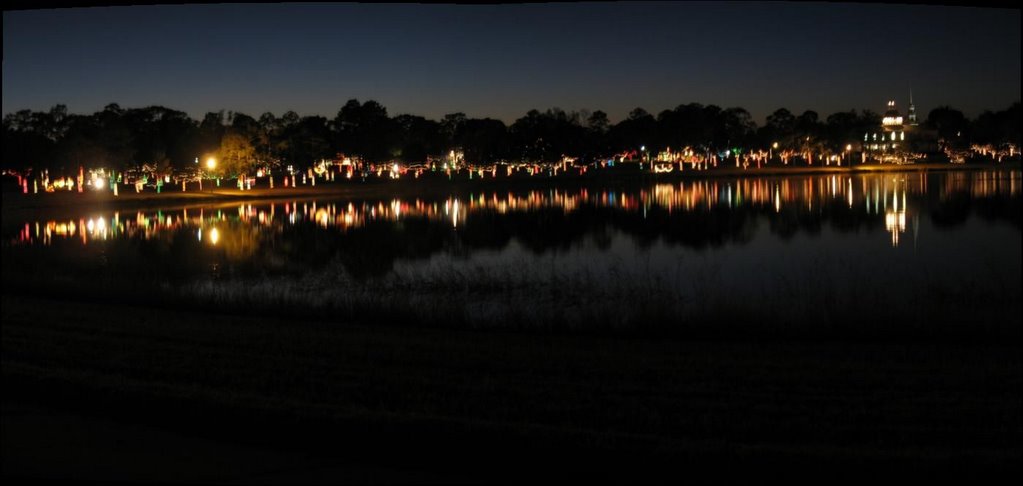
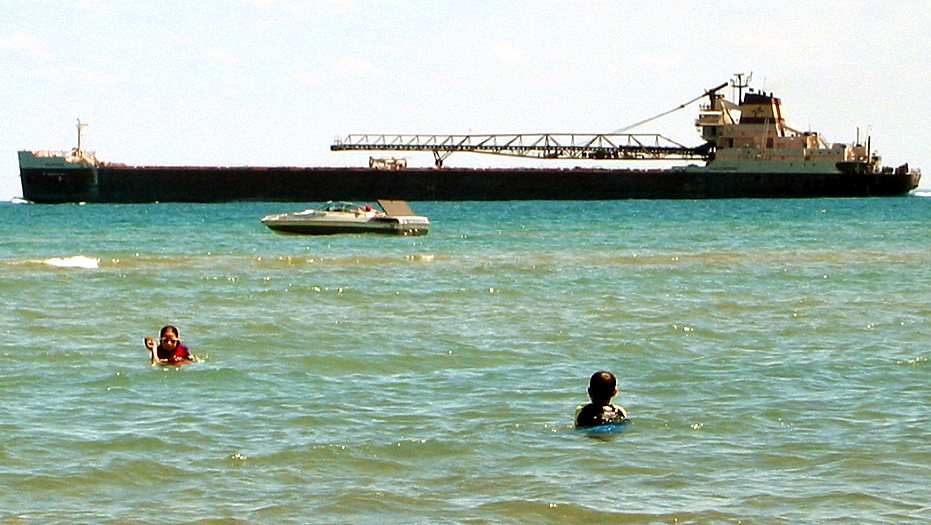
Reflection from across the lake | |
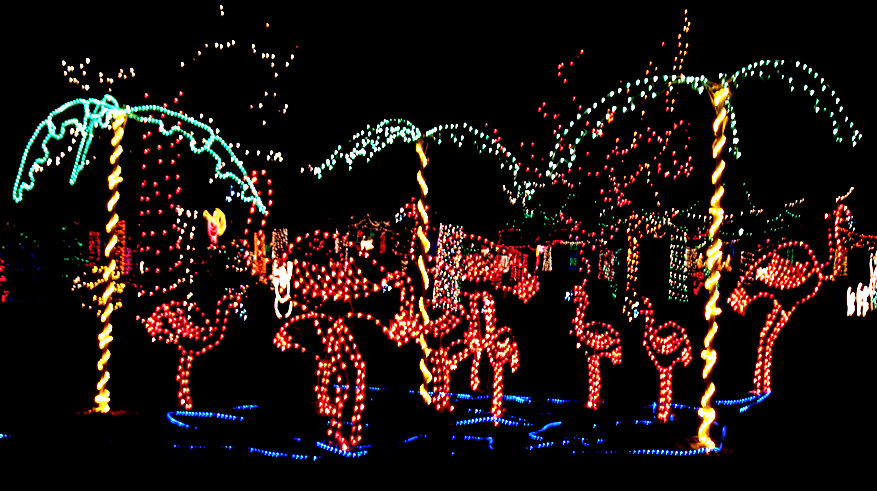
Palm trees and Pink Flamingos | |
Cat sleeping in front of the fireplace | |
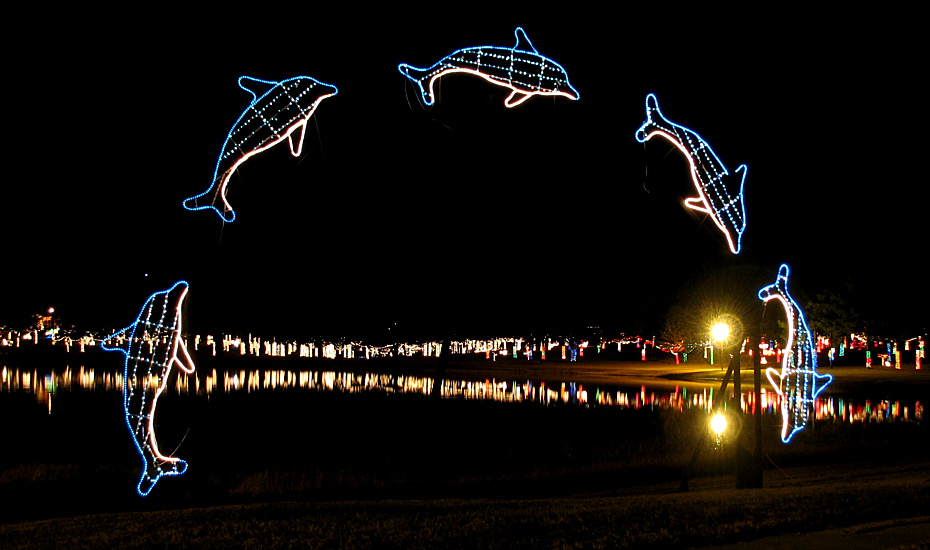
Leaping fish | View from across the lake |
Reflection from across the lake | |
Palm trees and Pink Flamingos | |
Cat sleeping in front of the fireplace | |
Leaping fish | View from across the lake |
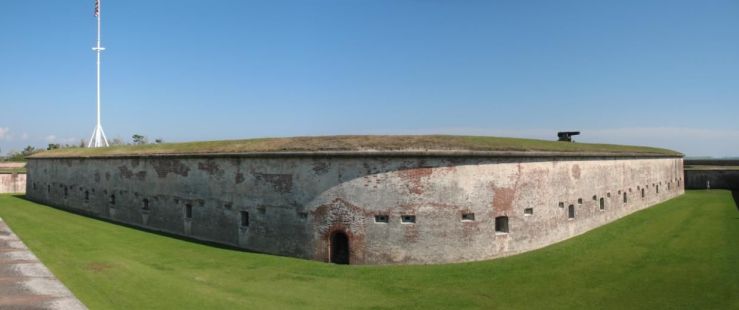
The next day was much better we when to Fort Macon, a quick History:
Construction of the fort began in 1826, it is a five-sided structure of brick and stone with twenty-six vaulted casements (rooms) with outer walls that are 4.5 feet thick, it was part of the chain of coastal fortifications for national defense. Its purpose was to guard Beaufort Harbor, North Carolina's only deepwater ocean port. It was named after state senator Nathaniel Macon, who procured the funds to build the facility. During its history it has seen Robert E Lee as an Army engineer, seized by the N. Carolina militia, retaken by Union forces to be used as a coal fueling station for the navy, a federal prison, closed in 1903, sold to the state of North Carolina to be used as a state park, restored by the Civilian Conservation Corps and then leased back to the military to be used during World War II.


When we left here to head south we drove past Camp Lejeune, for about four miles the road was lined with huge home made signs welcoming home the different soldiers and units, was really kind of neat.
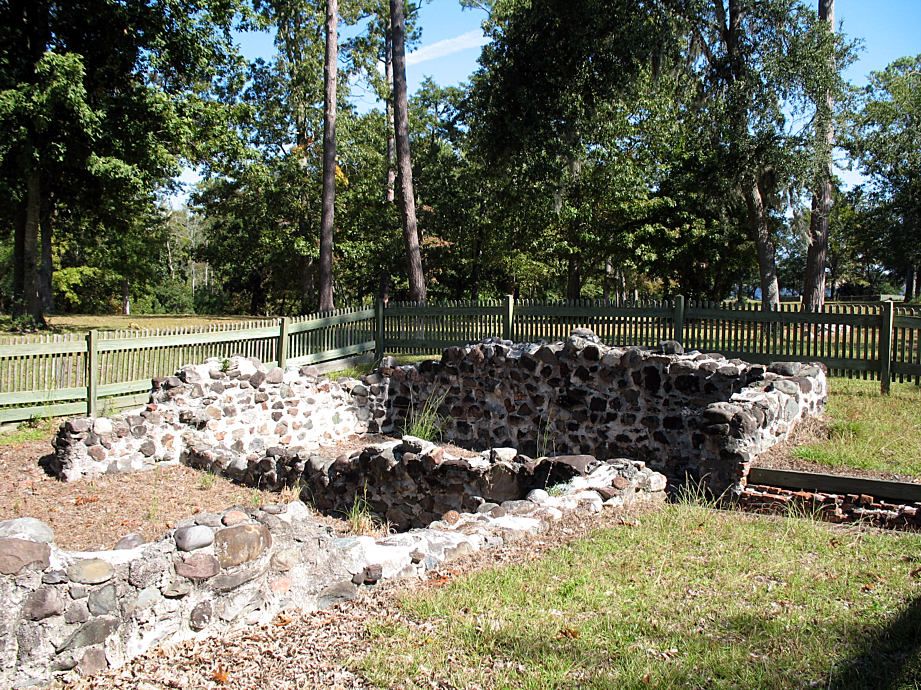
We stayed in Myrtle Beach for a week and did a drive north along the coast to Southport, while we were in the area we followed a few signs and found the Ghost of Brunswick Town, located on the banks of the Cape Fear River it was a British colony started in 1726. It was a major shipping port for the British until the colonist rebelled against the Crowns authority of tax stamps; this was eight years before they did it in Boston with the Boston Tea Party. In 1776 the British raided the town and burnt it to the ground. All that is left now are the foundations of about 50 different homes and buildings and the walls of the St. Phillips Anglican Church. Some of the town in on Army property (Sunny Point Army Base) and not assessable.
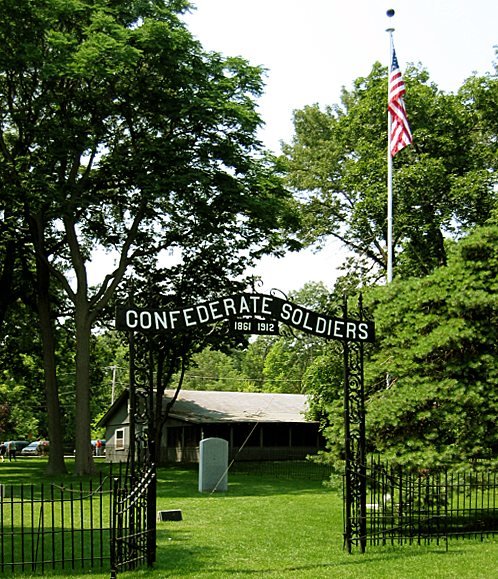
This is also the site of Fort Anderson built by the C.S.A. 1861 to defend the city of Wilmington; the fort was a large sand fortification with ten cannons. Today only the outer mounds of the fort remain.


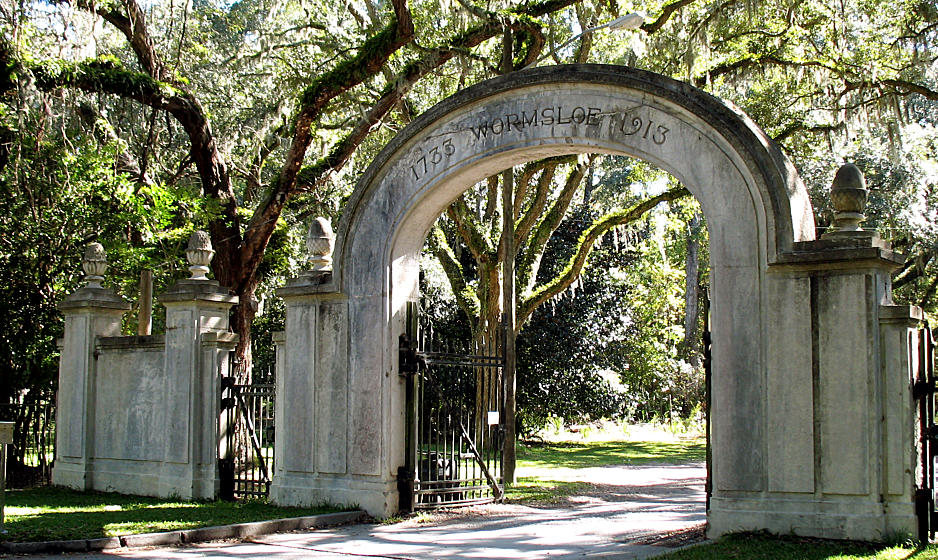
Descendants of the original family still reside at this site and are actively involved in heritage preservation at Wormsloe. There is a ton of history here but way too much to go into.
Onward to St Mary’s Georgia right on the Florida boarder were we had a ton of things planned to do, that is until I twisted my back, so this week ended up being Chiropractors, pain pills and rest.
Click picture to enlarge
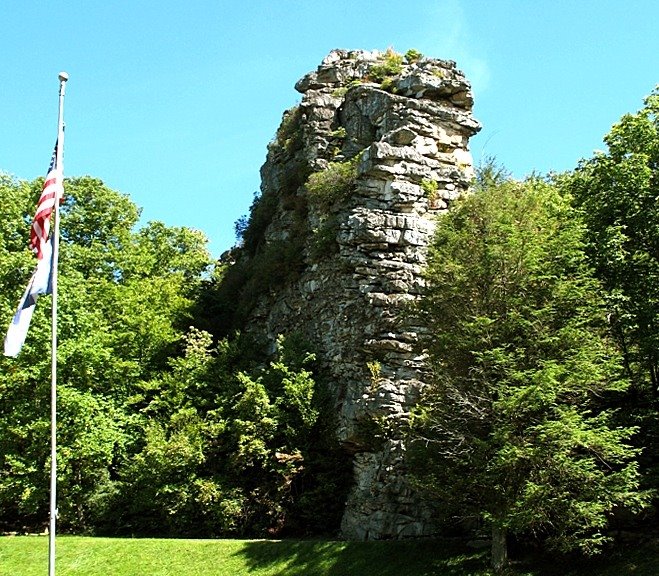
Just a little bit out of order here, it seems as if I forgot all about West Virginia, we spent a week in a resort right across the street from Pipestem state Park. This is in the mountains and pretty much in the middle of nowhere but a very beautiful nowhere.We came across a lot of neat thing just wandering any road that we could find; the first was Pinnacle Rock St Park. This is a natural formation and is where the rocks when rising to form the mountains this section turn 90 degrees and shot up.Its probable about three hundred feet high and yes we did climb it, it took awhile and we had to make a lot of stops on the way up but we made it, did I mention that there are stairs on the other side. It's still a helluva climb but the view from up top is worth it, no picture you have to climb it yourself.
Another road took us to a little roadside park, which is right over top of the Big Bend Railroad Tunnel. This tunnel was started in 1870 and took three years to complete the entire mile, about half way through construction; the new steam drill was invented and brought to this sight. Everyone was amazed at the speed except for one man who challenged the drill and operator with his sledgehammer and chisel. The contest started and by the time it was over the man had beat the machine, he then walked a few feet away and dropped dead, giving us the legend and ballad of “John Henry the Steel Driving Man”. I’m not kidding we really found this place.
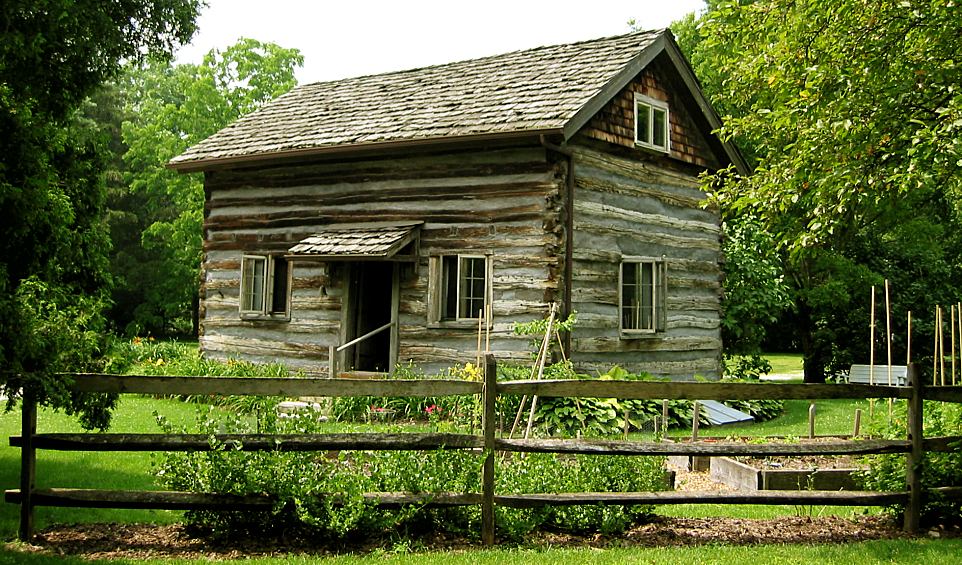
While following a little road along side the Greenbrier River we found the Graham Cabin, built by Col.Graham in the 1770’s it was the site of a Shawnee Indian Attack in 1777 where is daughter was taken captive. The Col spent eight years following tips until he located and bought back his daughter.
Our last day in the resort we figured that we should drive across the street and see what was at the State Park and we’re glad we did, there are two lodges there one on the top of the mountain and the other in the bottom of the gorge. We decided to visit the one at the bottom of the gorge, a grueling three hours hike down the trail dug into the side of the mountain or a five-minute ride on the tram. 
The lodge is right on the Blue River and has a nice dining room and miles of trails if you’re up to it, we were just going to do lunch but of course the dining room is closed on Tuesdays. It was right about then that Cathy noticed the sign that said the tram shuts down at 1pm on Tuesdays, good thing cause we never would have made the six-hour hike out.
The nice thing that the lodge does is the Tram ride is FREE, on the way down, when you're ready to leave and you go back to the tram to get on their is a ticket booth, Four dollars a head to avoid the walk back up. Pretty tricky, but if you eat at the lodge the ride up is free.

The Battle of Guilford Court House was fought on March 15, 1781, 1900 British troops under then command of Lord Cornwallis faced 4400 American militia and Continentals under the command of General Nathanael Greene. It is considered to be one of the most decisive Battles of the Revolutionary War. Greene set up three lines of defense against the advancing British, the battle started at 12:30 and ended after 2 1/2 hours of intense and brutal fighting with Cornwallis forcing Greene to withdraw from the battlefield and retreat. Although the British claimed victory by holding the battlefield at the end of the day, it was a costly victory. Cornwallis had lost over 25% of his troops, when the British Parliament learned of the battle, Charles James Fox exclaimed, "Another such victory would destroy the British Army.
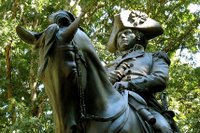
The first thing we did was go to the visitor’s center and watch the Battle Map Program, a lighted map show with narration that explains the movement of the troops and the timeline of the battle and a 20 minute film they have on the battle. There was another couple there at the same time, they started asking one of the volunteers a few questions and once she started talking about the battle there was just no stopping her, she went on for about an hour telling us a bunch of little things would never find out about if not for her.
We did the auto tour of the park which is in the middle of Greensboro (named after Nathanael Greene) but it seems like you’re out in the middle of the country. With all the stops and monuments in the park in turned out to be about an hour tour. We also found a monument marking the graves of two signers of the Declaration of Independence that buried here in the park.

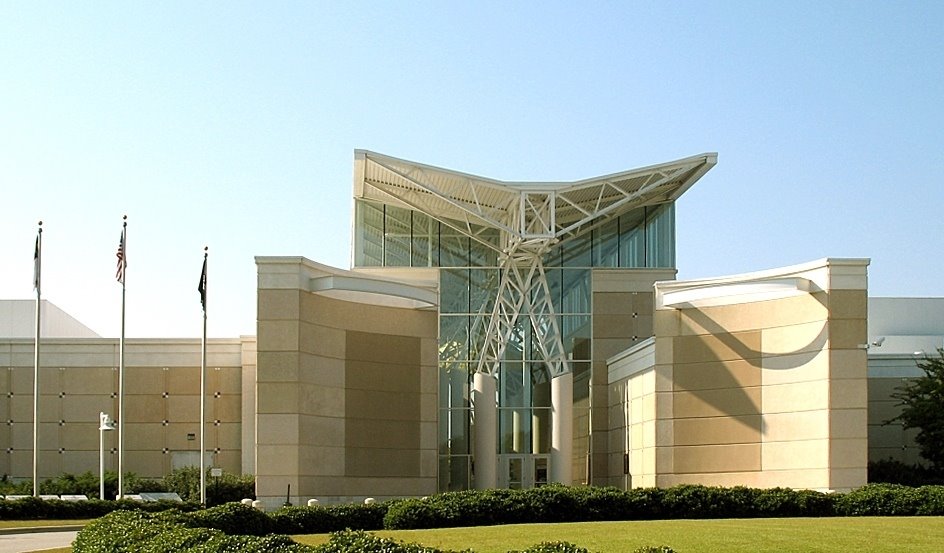
We decided to take a “Jump into History” which is how they describe it when you enter the Airborne & Special Operations Museum at Fayetteville N.C. It’s a good thing we had a large breakfast this morning because we ended up spending close to four hours here and missed lunch.The museum starts with the original concept of airborne troops in 1940, it explains the training of the first airborne troops and then follows them into WWII and the first airborne assault in North Africa, then Sicily, Italy, Jedburgh, Normandy, D-Day and then onto the Pacific theater. It covers every battle and assault that an airborne troops was ever involved in.
We got to walk through the fuselage of a C-47 transport, while overhead there is a full C-47 with troops parachuting out. They have it set up like a
Since we were in the area and it was going to be a freebee we decided to go to the N. Carolina State Zoo in Asheboro. The zoo has nearly doubled in size since the last time we were here ten years ago. They made it so big they have two parking lots about a mile and a half apart so now you can just enter one end walk through the zoo and come out at the other were a shuttle bus is waiting to take you back to your car. Saves you from walking back thought the zoo to get to your car. They were still doing a lot of construction but just about all the exhibits were open.
amazing that I can still recall things that we saw 10 years ago that really stood out, but as I sit here now thinking I can’t come up with one outstanding thing we saw this time. I guess new and improved isn’t always better. If you have never been here before it would probably be a very enjoyable experience but if you were here before they redid it I would give it a pass.First the Bad News, Nick and Rachel had to go back to school so Cathy and I don’t have anybody to play with.
The Good News, we’re back on the road heading south for the winter, but we’re heading there very slowly.
Our first stop was in Wapakoneta, Ohio. A nice Coast to Coast resort with an indoor pool, hot tub and sauna, this helped heal a lot of sore muscle from the summer activities with the kids.
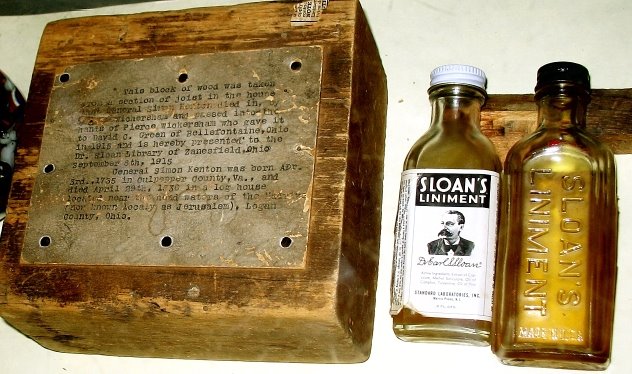
While cruising the back roads of the area we came across the little town of Zanesfield, this was the hometown of Dr. Sloan, you may have seen bottles of his elixir. It started out as a horse medicine but it work so well he took it on the road (the late 1800’s) advertising it for humans and became a millionaire selling his snake oil.

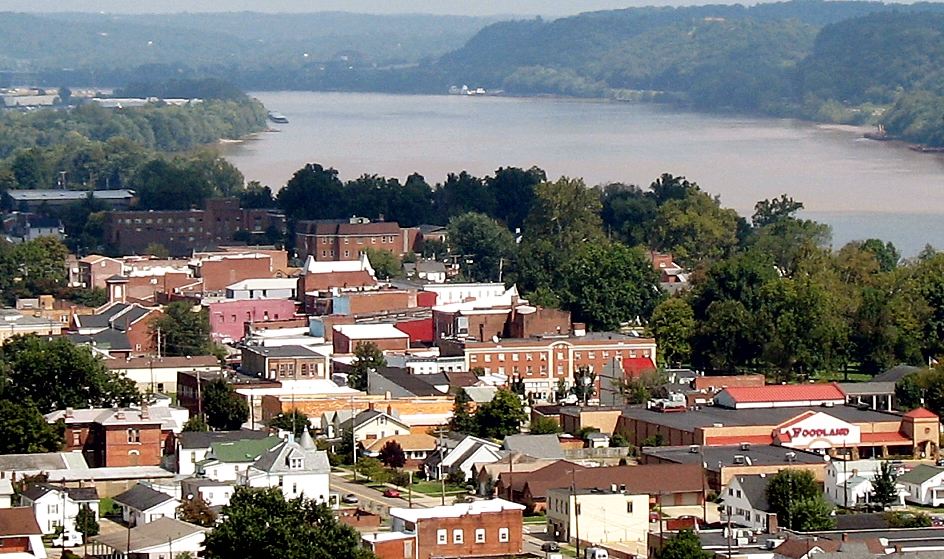
We cut across Ohio to the southeast corner and made camp there for a week. We got there just in time for the Mothman Festival in Point Pleasant, W Virginia. If you remember the movie from a few years ago the Mothman is a giant Moth/man with big red glowing eyes that flies around chasing people. This is the area were it was sighted many times, they have a three day festival with people coming from all over the world, many people who have sighted or came into contact with the Mothman attend and give talks and sign autographs. Thank goodness we got here a few days early and were able to explore the town without the crowd.
Our first stop was at Tu-Endie-Wie State Park (Wyandotte for “the point between two waters”); it’s located right at the confluence of the Kanawha & Ohio Rivers. 
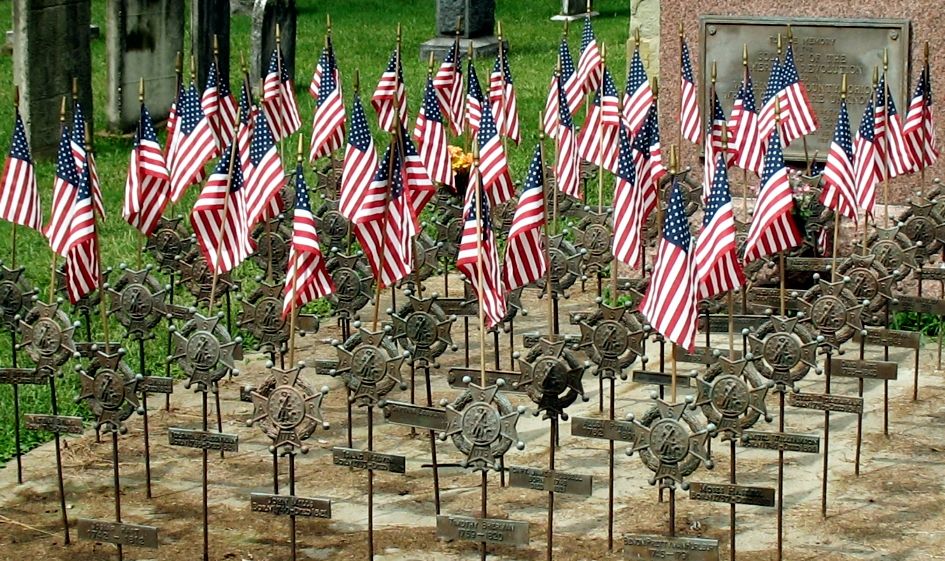
The historical importance of this location is this is where the Battle of Point Pleasant took place on October 10, 1774, considered by many to be the first battle of the American Revolution; it pitted the Virginia militia led by Colonel Andrew Lewis against the British allied Indians, Shawnee, led by Chief Cornstalk. By the end of the day the Virginia militia was victorious but there were close to three hundred dead and hundreds more wounded.
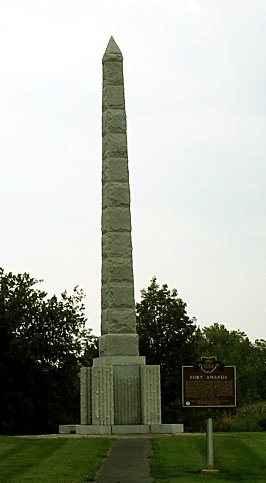
This is a small park but it houses a 90 foot Obelisk honoring the militiamen who died in the battle, monuments to Chief Cornstalk and “Mad” Anne Bailey Taylor (more of her later) and the Mansion House (1796) which is now a museum housing many artifacts from the area including a hand written, signed letter from Danl Boone.
Anne Bailey, after her husband was killed in the battle, took to dressing in men’s clothing and became a great scout for the military. She would deliver messages and supplies through enemy Indian lines where no man would dare venture; she lived to be over 100 and is buried at this site.
There is another marker there that gives the history of Colonel Andrew Lewis, who led the militia to victory, it notes that his 5th Great Grandson, Major Edward White of Gemini 4, was the first American to walk in Outer Space. It made me think that here you are the First American to walk in Outer Space and you’re still not the most famous person in your family.
From the park we crossed the street and went to the Point Pleasant River Boat Museum. They have exhibits on the history of riverboats and river life in the area, including an old steamboat pilothouse. Upstairs they have a video on the “Silver Bridge Collapse” this was a bridge that crossed the Ohio River at 6th street which during rush hour traffic one day in December 1976 suddenly collapsed into the river killing over 50 people.
This is also the area of Morgan’s Raid during the Civil War and there are markers everywhere related to that event. We missed the five day re-enactment of the raid by two days, the next one is scheduled for 2013; we’ll try to make that one.


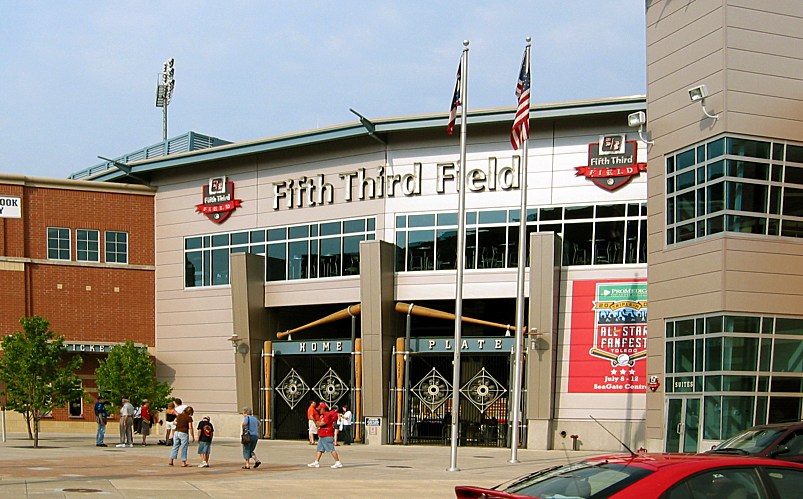
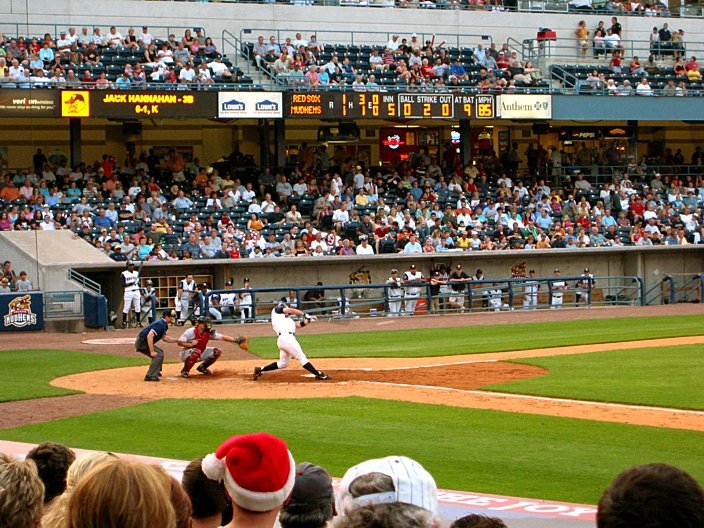
We finished up our month in Lapeer, but before we left we made another trip or two down to the kids. One was to celebrate Nick’s 10th birthday, since he now likes ribs we did 3 racks of BBQ ribs for dinner that night and none were left on the platter. Off subject has everybody noticed how our DETROIT TIGERS are doing this year? The second trip we went to Toledo to take in a Toledo Mudhens game, they have a new stadium (3 yrs old) that’s right downtown and is dug out so that’s it’s below street level, we won there too.
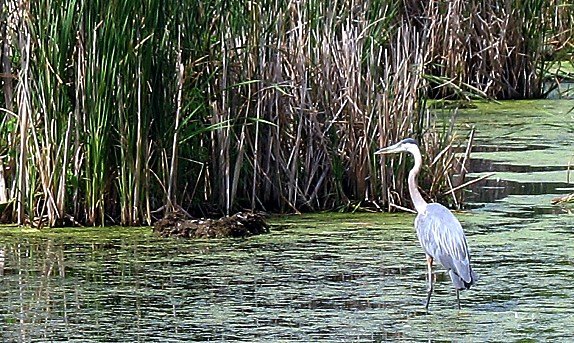
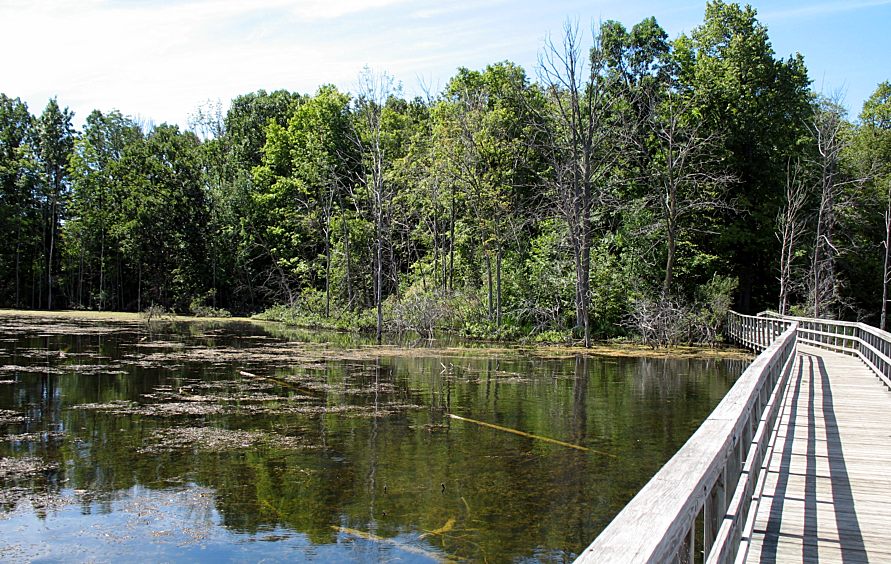
The campground in Lapeer is a city park and is located just a few blocks from their downtown district, but you would think that we were back in Florida. There is a wet lands with a boardwalk right next to the park, after the first turn on the trail it’s like you’re in the middle of no where.


Now that we’re in Charlotte, Cathy’s going to get to do a ton of genealogy research at the state library and maybe we can get in a few do nothing days.
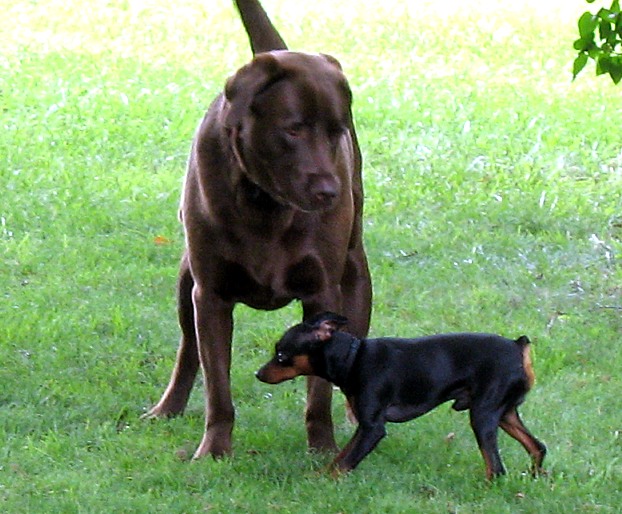
This is a picture of Arthur and his buddy Cooper, Cooper comes by about 3 or 4 times a week just to mess around with Arthur. Arthur will chase Cooper around for a few laps then the reverse and Cooper chases Arthur around for a few more laps, after twenty minutes of this Arthur will sleep for the rest of the day trying to recover.
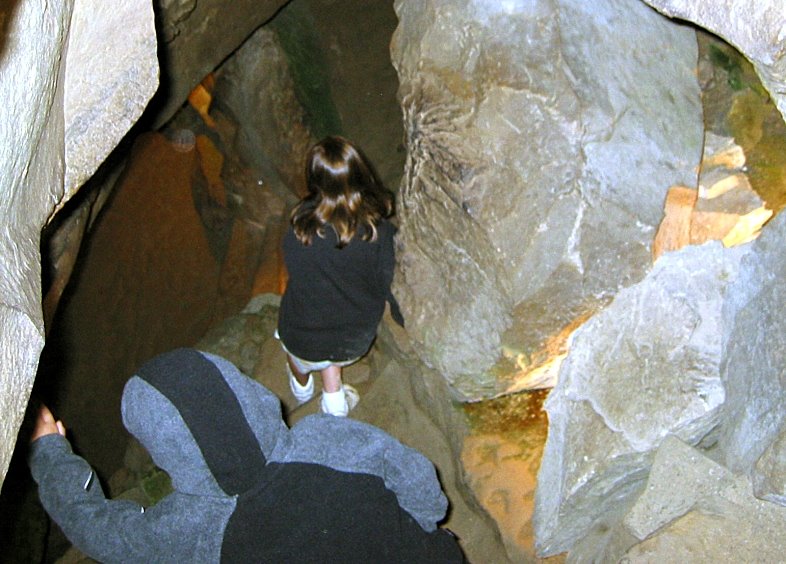
We started our summer in Monroe Michigan, which is about a 50-minute drive from the kids, the end of June we grabbed the grandkids and took them down to Bowling Green Ohio to camp at Fire Lake for a week. One day we drove over to the Earths Crack, that’s what they call it, the Seneca Caverns, and took a tour of the caverns. There are very few manmade steps in the caves most of the time you are climbing up or down the rocks, which the kids loved, we ended up going down about 8 levels to about 135 feet below the surface to an underground river that the kids got to stick there hands in. It was a really nice tour and we had a great guide which helped, after crawling through one of the smaller openings the kids decided to call it “The Fat Mans Squeeze” the guide liked that and said that she was going to start calling it that.


Other then that we’ve just been lying around doing nothing.